
These are the bones—
From 1987 to 2004, my family was part of an Evangelical/Fundamentalist Imminent Rapture cult founded during the 1960s/70s Jesus People Movement. My siblings and I departed the cult c. 2004. My mother died a member (death unrelated) and my sperm-donor, as far as I know, is still connected to it. Their Christianity is the result of a long tradition of biblical illiteracy, superstition, and an intentional spurning of education.
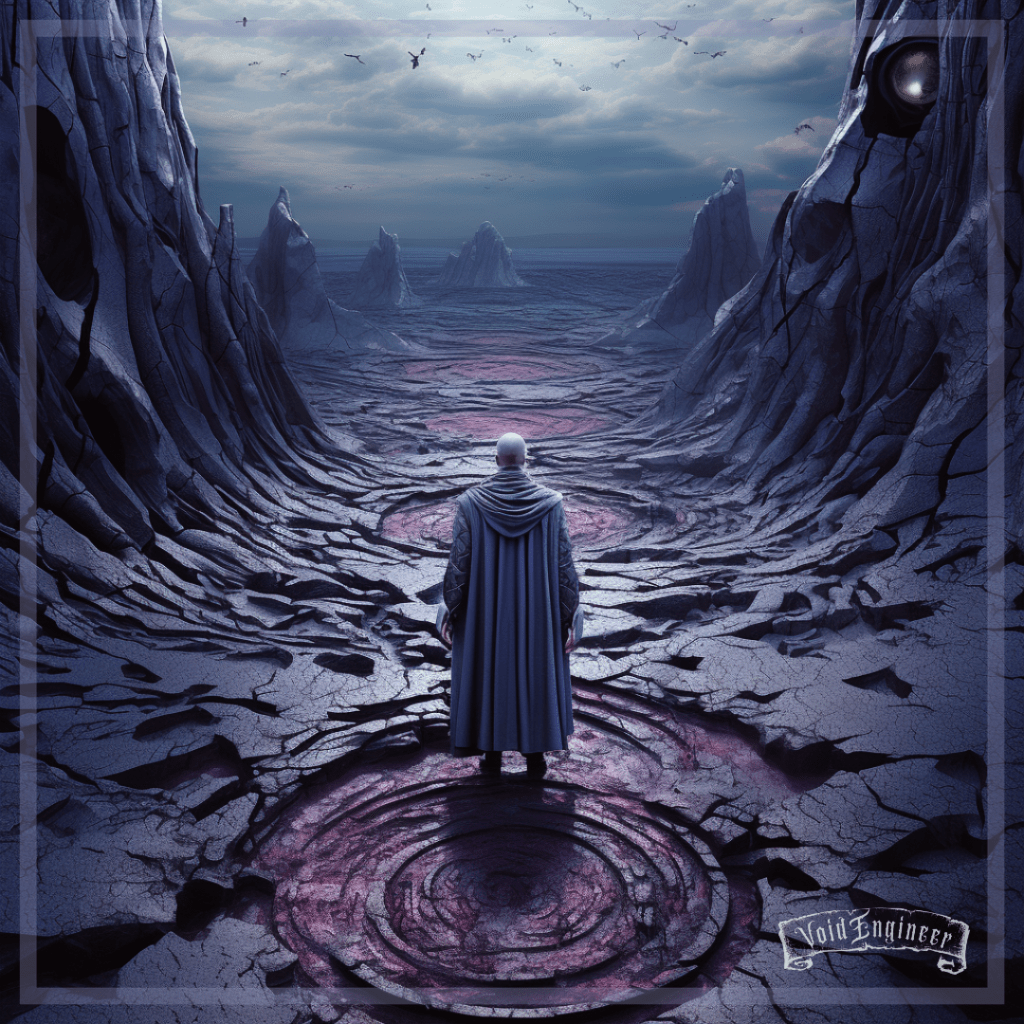
The structure of power centers on the pastor. As a non-denominational organization, there were no outside checks or balances. It was assumed the pastor was uniquely attuned to the voice of the Holy Spirit. He (because always men) surrounds himself with yes-people, an inner circle faithfully adhering to his word and direction. They clamor for his approval—keeps them inline, as it were. The pastor is charismatic and charming; he knows how to play the crowd.
There is an emphasis on being a good Christian. Good, of course, is determined by comparing yourself to the more popular members. Popular members were always good, and you always wanted their approval. We enjoyed the same things and disliked the same things. Doing differently singled you out as being in a questionable state of Christian life.
The systems reflected our white supremacy and reinforced them. It was expected that a good Christian identify as a Republican and view abortion and LGBTQIA+ rights as an assault against Christians. Future generations were expected to vote against their own interests so to hurt sinners and make America a “Christian nation.” We spoke in dog whistles to convey the problematic politics of our system in order to maintain plausible deniability if confronted about our “unspoken” culture.
We were isolationists. The outside world was evil and meant us harm. We were different and set apart from the world. We were in a spiritual war against the outside. We received our orders, ethics, and morality in a verticle modality—direct from God . . . or rather the pastor’s interpretation of God.
Fear was our primary means of control—a fear of Hell, a fear of “accidentally” serving the devil, a fear of missing the rapture, a fear of suffering and pain earned through disobedience, mistakes, and missteps.
Parts of this structure will look and sound familiar if you follow American politics. Christofascism, a term coined in 1970 by theologian Dorothee Sölle, has deep roots, and it is cults like the one I grew up in that provided the fertile soil that has allowed it to blossom into the horrid abomination you see today.
This is the structure in which I was kept for 17 years. It is from this setting, and that of my childhood home, that I will draw my deconstructionist thoughts, experience, and theological discourse.
 Void Engineer